In the memecoin universe, an ironic structural flaw has quietly drained massive creator revenues. Many memecoins launch with the right trust signal—permanently locked liquidity to reassure traders the rug-pull risk is limited. But in doing so they’ve also locked away perhaps one of their most important revenue sources: trading / swap fees from the liquidity pool.
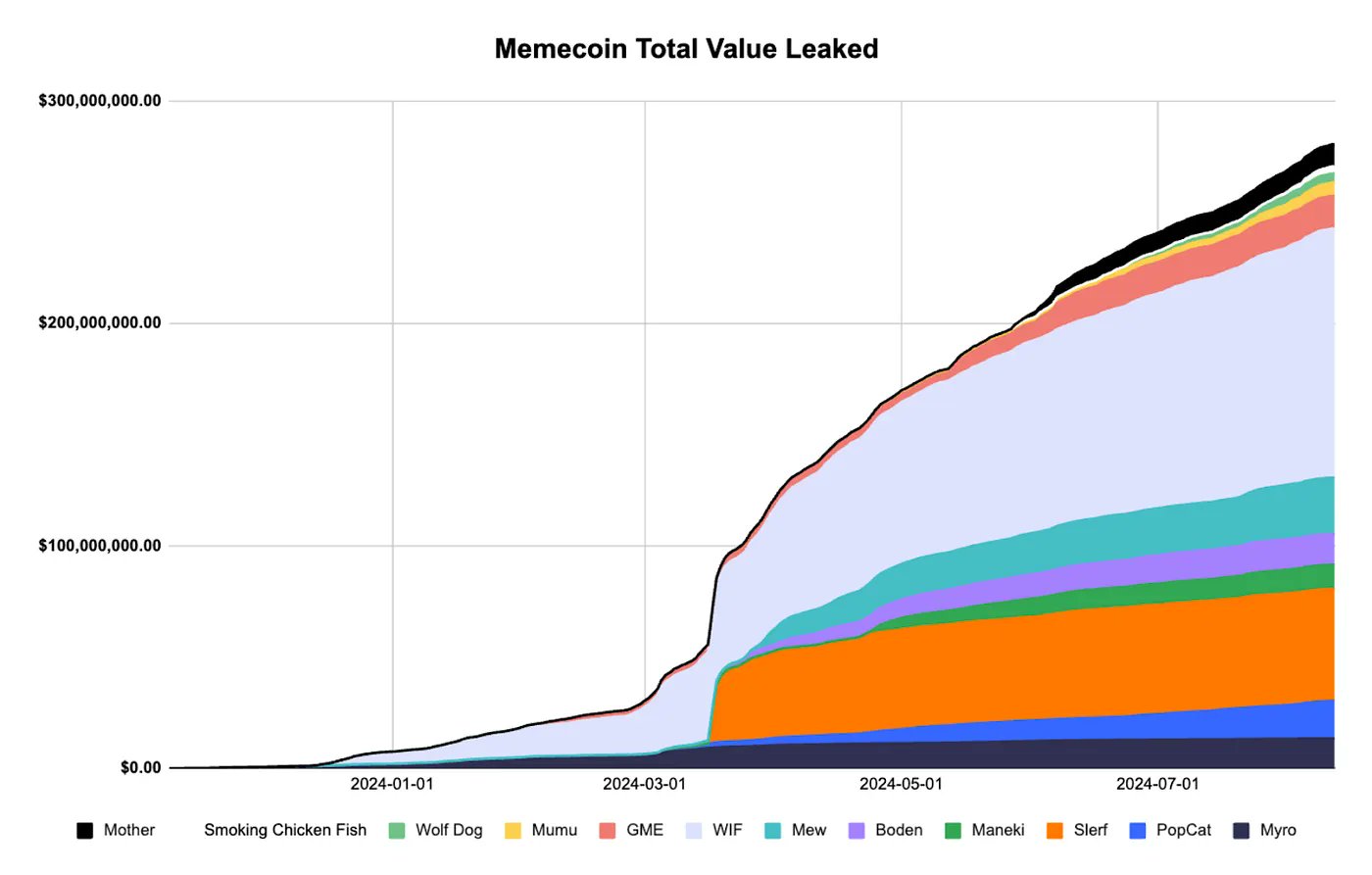
According to Keyrock’s research, the top memecoins have lost nearly US$300 million in fee-earning opportunity because of locked liquidity, and if the long-tail of tokens is included the figure is well over half a billion dollars.
Why does this matter?
Because token creators still need to monetise but the classic model has been one-time token sales, treasury dumps, or speculative hype. They’ve had to give up recurring revenue in exchange for trust signals. This creates a mis-alignment: creators want liquidity lock but it precludes them from fee revenue; holders want both security and upside; the entire model tilts toward pump-and-dump rather than sustainable ecosystem building.
New Meta for Memecoins
The solution? An evolving paradigm: allow permanently-locked liquidity and ongoing revenue capture. That’s exactly what the protocol Meteora is doing. By enabling creators (and top holders) to claim trading-fee revenue from liquidity that remains locked forever, the incentive structure changes.
Here’s how it works in broad strokes:
- At pool creation with Meteora’s “Memecoin Pool” model, the liquidity provider (creator) adds a substantial LP stake and locks the LP tokens permanently.
- Despite the lock, the pool continues to accrue trading fees (swaps through the pool generate fee revenue).
- The creator (if they hold the majority of liquidity) captures a majority share of the fee stream—essentially a royalty-style income tied to trading volume and liquidity health.
- Fees can accumulate and auto-compound into the pool—the longer you wait to claim, the higher the base becomes.
Why This Shift Matters in the Memecoin Market
Memecoins historically suffer from short lifecycles: big launch, big pump, then dump. One of the structural reasons is that creator incentives are often mis-aligned: they monetise early, holders take the risk later. The locked-liquidity answer solved the trust problem, but at the cost of removing a major fee revenue channel.
By contrast, the new model opens up a “creator revenue runway” parallel to token value speculation. When creators have incentive to sustain volume, invest in the token ecosystem, build community and utility, the token is more likely to last and holders stand to benefit.
For platforms, launchpads and infrastructure (like your work around hybrid launchpads, token launches, vesting/treasury design) this model is powerful because it enables you to pitch to creators: “You can lock liquidity for trust AND still monetise.” That’s a strong differentiator.
THE END
The memecoin space has mostly been about hype, quick money, and a disconnect between creators and holders. But that’s starting to change. New models like Meteora’s locked-liquidity fee-earning pools let creators earn ongoing revenue while also building trust. This creates a new way for memecoins to act more like real, small businesses—where creators get paid fairly, holders feel more aligned, and communities can actually last. For teams building tokens or launchpads, this is a key moment—because now, making money and building trust can work together, not against each other.